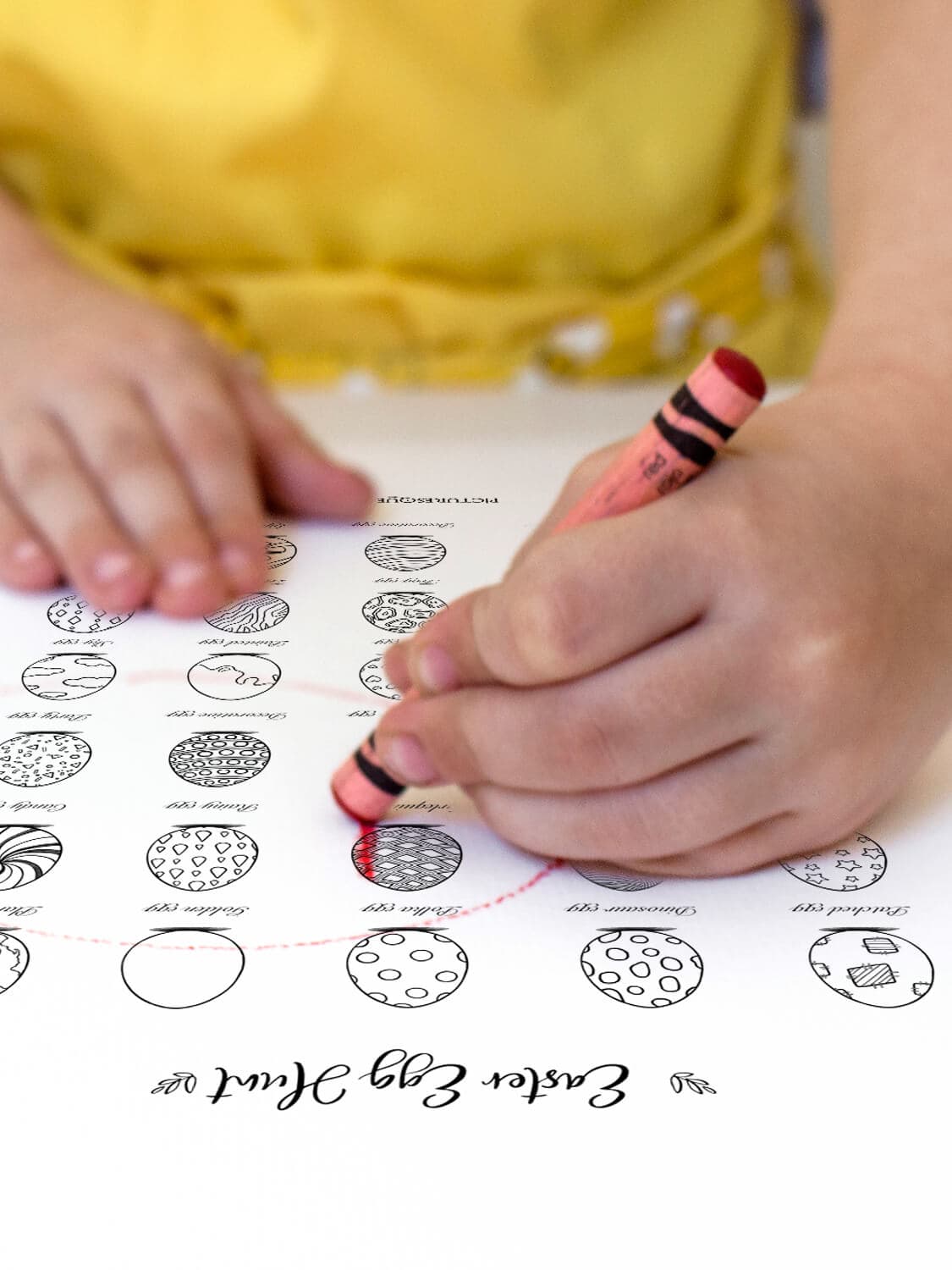
Coloring pages aren't just busy work — they're powerful teaching tools. Here's how teachers can use free printable coloring pages to reinforce learning, manage transitions, and create a calmer classroom.
Every experienced teacher knows the challenge: how do you keep 20+ students engaged, productive, and (relatively) calm throughout the school day? Coloring pages are one of the most underrated tools in a teacher’s toolkit — and the best part is they’re completely free at Picturesque.
When used strategically, coloring pages do far more than fill time. They reinforce academic content, support fine motor development, create calming transitions, and give every student — including those who struggle academically — a chance to succeed and feel proud of their work.
1. Transition Activities
Transitions are some of the most chaotic moments in a school day — when students finish early, when you need a few minutes to set up the next lesson, or during those unpredictable gaps in the schedule. A coloring page is the perfect soft landing. Students know what to do, can work independently, and it keeps energy calm and focused.
Keep a folder of coloring pages on each student’s desk for “fast finishers” — students who complete work early can color while others catch up. This reduces disruptive behavior without penalizing fast workers.
2. Reinforcing Letters and Numbers
Alphabet coloring pages are incredibly effective for letter recognition in kindergarten and pre-K. When a child colors a large letter “A” alongside a picture of an apple, they create a multisensory memory — visual, tactile, and associative — that strengthens retention far more than a worksheet.
Similarly, number coloring pages (one rocket, two ducks, three stars) help children build number sense through context and association. Use them as morning work, centers activities, or homework.
3. Seasonal and Thematic Units
Align coloring pages with your current thematic unit to reinforce classroom learning. Teaching a unit on autumn? Pull up the Thanksgiving Turkey coloring page. Studying space? The Number 1 — One Rocket page doubles as a space-themed activity. Seasonal pages are also perfect for holiday parties, classroom celebrations, and bulletin board displays.
4. Calm-Down Corners and Emotional Regulation
Many classrooms now include a “calm-down corner” — a designated space where students can go when they feel overwhelmed or dysregulated. Coloring is one of the most effective calm-down activities for young children. The repetitive, controlled motion activates the parasympathetic nervous system, naturally reducing anxiety and stress.
Stock your calm-down corner with a selection of coloring pages and a small set of colored pencils. Students learn to self-regulate by choosing to color when they feel their emotions escalating.
5. Take-Home Family Engagement Activities
Send coloring pages home as low-pressure family engagement activities. Unlike homework that requires parental involvement or specific knowledge, coloring is something any family member can do alongside a child regardless of education level or language background. Include a simple note: “Color this together and tell us one thing you talked about!”
6. Writing Prompts and Cross-Curricular Projects
Combine coloring with writing for rich cross-curricular activities. A child colors the Easter Bunny, then writes three sentences about what the bunny might be thinking. A student colors the Enchanted Castle, then writes a story about who lives inside. Coloring serves as a creative prompt that overcomes the blank-page anxiety many young writers experience.
7. Classroom Displays and Portfolio Work
Finished coloring pages make beautiful classroom displays. A bulletin board full of individually colored versions of the same page (say, the Magical Unicorn) is visually striking and celebrates every student’s unique creative voice. It’s also an excellent portfolio artifact — tangible evidence of fine motor progress over the school year.
- Photograph coloring pages before sending them home to keep a digital portfolio
- Use different coloring media for variety: crayons, colored pencils, watercolor, oil pastels
- Turn finished pages into mini-books by stapling several together with a construction paper cover
- Use coloring as a mindfulness activity — play soft music and encourage silent, focused coloring for 5-10 minutes
Free Classroom Coloring Pages
All Picturesque coloring pages are free to print for classroom use — no limits, no login required.


